By Tameside CBD Shop · Reviewed 3 October 2026
A certificate of analysis (COA) records results for a tested sample. The first question is whether that sample matches the product and batch you are buying.
Start with identification
- Product and sample: is this a finished oil or edible, or only a raw ingredient?
- Batch: compare the report’s reference with the pack. A report from a different batch may not describe yours.
- Laboratory and dates: find who tested it, the report date and any sample date.
- Method and units: distinguish mg per g, mg per ml and percentages before comparing figures.
Read the cannabinoid panel
Look at each measured compound rather than a headline “pass”. CBD, CBDA, THC and THCA are not interchangeable names. If a report calculates totals, read how those totals are defined. “ND” usually means not detected at the stated detection limit; “<LOQ” means below the quantification limit. Neither means a mathematically proven zero.
What else was tested?
A cannabinoid profile does not automatically include pesticides, heavy metals, microbes or residual solvents. Look for a separate panel and its stated limits where those tests are relevant. Missing tests should remain visible as missing information.
What a COA does not prove
It is not, by itself, a medicinal licence, proof of health benefits or evidence that the finished product has novel-food authorisation. Laboratory results and regulatory status answer different questions.
Available product reports
Where a report has been linked to a product record, it appears below. Ask us to confirm batch matching before relying on an older report.
Oils & sprays
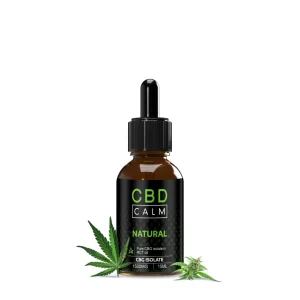
Natural CBD Isolate with MCT Oil 1500mg — 15ml
Availability check overdue — temporarily unavailable
£1.17 per 100mg CBD
View product